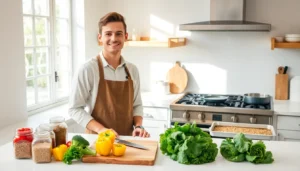

Healthy recipes trends 2026 will reshape how people cook and eat at home. The new year brings fresh approaches to nutrition, flavor, and sustainability. Plant-based meals, fermented foods, and global ingredients will dominate kitchens everywhere. Technology will also play a bigger role in meal planning and personalized nutrition.
This guide covers the top healthy recipes trends 2026 has in store. From gut-friendly ferments to low-waste cooking methods, these shifts reflect changing priorities around health and the environment. Whether someone wants to try new cuisines or reduce their carbon footprint, these trends offer practical ways to eat better.
Table of Contents
ToggleKey Takeaways
- Plant-forward cooking leads healthy recipes trends 2026 by centering meals around vegetables, legumes, and whole grains while using meat as an accent.
- Fermented foods like kimchi, kefir, and miso support gut health and will expand beyond traditional options into everyday cooking.
- Global cuisines from Africa, Southeast Asia, and the Middle East offer bold flavors and nutrient-dense ingredients gaining mainstream popularity.
- AI-powered apps and smart kitchen devices make personalized nutrition and healthy meal prep more accessible than ever.
- Sustainable cooking practices like root-to-stem preparation and upcycled ingredients help reduce food waste while adding variety to meals.
- Starting with small changes—like Meatless Monday or adding one fermented food daily—makes adopting healthy recipes trends 2026 practical and achievable.
Plant-Forward Cooking Takes Center Stage
Plant-forward cooking will lead the healthy recipes trends 2026 brings to mainstream kitchens. This approach doesn’t require going fully vegan or vegetarian. Instead, it places vegetables, legumes, and whole grains at the center of the plate while treating meat as a side dish or flavor accent.
Expect to see more recipes featuring cauliflower steaks, hearty mushroom-based dishes, and creative legume preparations. Chickpeas and lentils will appear in everything from pasta sauces to breakfast scrambles. Home cooks are discovering that plant proteins can be just as satisfying as meat when prepared well.
The shift reflects both health and environmental concerns. Studies consistently link plant-rich diets to lower rates of heart disease and certain cancers. A 2024 report from the American Heart Association found that people who ate more plant-based meals had 16% lower cardiovascular risk.
Restaurants have already embraced this trend, and home cooks are catching up. Recipe searches for “plant-forward dinner ideas” increased 40% over the past year. In 2026, healthy recipes trends will push this further with innovative techniques that make vegetables the star attraction.
Practical tips for adopting plant-forward eating include:
- Start with “Meatless Monday” and expand from there
- Use mushrooms to add umami depth to dishes
- Experiment with bean-based pasta alternatives
- Try jackfruit as a pulled pork substitute
Gut Health and Fermented Foods Continue to Rise
Gut health remains a major focus among healthy recipes trends 2026 will highlight. Fermented foods have moved from niche health stores to everyday grocery lists. Kimchi, sauerkraut, kefir, and kombucha now sit alongside traditional staples in most refrigerators.
The science behind this trend is solid. Research shows that a diverse gut microbiome supports immune function, mental health, and digestion. Fermented foods introduce beneficial bacteria that help maintain this balance.
Home fermentation is gaining popularity too. More people are making their own yogurt, pickles, and sourdough bread. These DIY projects save money and allow control over ingredients and flavor profiles.
Healthy recipes trends 2026 will expand fermentation beyond the usual suspects. Expect to see fermented hot sauces, miso-based dressings, and lacto-fermented vegetables appearing in everyday meals. Some adventurous cooks are even experimenting with water kefir and jun tea.
Key fermented foods to try this year:
- Kimchi: Adds spice and probiotics to rice bowls and tacos
- Tempeh: Fermented soybeans with a nutty flavor and firm texture
- Miso: Versatile paste for soups, marinades, and dressings
- Kefir: Drinkable probiotic dairy or coconut-based alternative
Adding just one fermented food daily can make a noticeable difference in digestive comfort within weeks.
Global Flavors Meet Nutrient-Dense Ingredients
Healthy recipes trends 2026 embrace flavors from around the world. Home cooks are looking beyond their usual rotation for inspiration. African, Southeast Asian, and Middle Eastern cuisines offer both bold tastes and nutritional benefits.
West African peanut stews, Ethiopian lentil dishes, and Vietnamese pho are appearing on more dinner tables. These cuisines have always emphasized vegetables, legumes, and spices. Now Western audiences are discovering their appeal.
Spices themselves are getting attention for their health properties. Turmeric, ginger, and sumac aren’t just flavor boosters, they contain compounds with anti-inflammatory effects. Healthy recipes trends 2026 will feature these ingredients more prominently.
Superfoods from different regions are also gaining traction:
- Moringa: A leafy green powder from Africa packed with vitamins
- Black garlic: Fermented garlic with a sweet, complex flavor
- Freekeh: Roasted green wheat popular in Middle Eastern cooking
- Teff: An Ethiopian grain high in protein and calcium
This fusion approach lets people enjoy diverse flavors while meeting nutritional goals. A single bowl might combine Japanese seaweed, Mexican pepitas, and Indian spices. The result tastes interesting and delivers a wide range of nutrients.
Grocery stores are responding by stocking more international ingredients. What once required a specialty trip is now available in mainstream supermarkets.
Tech-Driven Meal Prep and Personalized Nutrition
Technology shapes healthy recipes trends 2026 in meaningful ways. Smart kitchen devices and nutrition apps are changing how people plan and prepare meals. These tools make healthy eating more accessible and customized.
AI-powered recipe apps can now generate meal plans based on dietary restrictions, health goals, and food preferences. Someone managing diabetes gets different suggestions than an athlete building muscle. This personalization was impossible just a few years ago.
Smart kitchen appliances are becoming more affordable. Air fryers, instant pots, and sous vide machines help people cook nutritious meals faster. These devices also make it easier to prepare healthy recipes trends 2026 highlights, like perfectly steamed vegetables or tender legumes.
Wearable devices add another layer of data. Continuous glucose monitors and fitness trackers provide feedback on how specific foods affect individual bodies. This information helps people fine-tune their diets for optimal results.
Nutrigenomics, the study of how genes interact with nutrition, is entering mainstream awareness. Some companies now offer DNA tests that suggest which foods suit a person’s genetic makeup. While the science is still developing, interest in personalized nutrition continues to grow.
Practical tech tools for healthier eating:
- Meal planning apps that generate shopping lists automatically
- Smart scales that track nutritional intake
- Recipe apps with ingredient substitution features
- Food logging platforms that identify patterns over time
Sustainable and Low-Waste Cooking Practices
Sustainability drives many healthy recipes trends 2026 brings forward. Cooks are paying attention to where ingredients come from and how much gets thrown away. This mindset benefits both personal health and the planet.
Root-to-stem cooking uses entire vegetables rather than discarding parts. Carrot tops become pesto. Broccoli stems get sliced into stir-fries. Potato peels turn into crispy snacks. These practices reduce waste while adding variety to meals.
Upcycled ingredients are entering the mainstream market. Products made from “ugly” produce or food manufacturing byproducts are appearing on store shelves. Flour made from spent grain, chips from vegetable pulp, and snacks from fruit peels all fit this category.
Healthy recipes trends 2026 also emphasize local and seasonal eating. Produce picked at peak ripeness contains more nutrients than items shipped across continents. Farmers markets and CSA boxes make it easier to eat locally.
Meal prepping reduces both food waste and unhealthy impulse eating. When healthy options are ready in the fridge, reaching for fast food becomes less tempting. Batch cooking on weekends sets people up for success during busy weekdays.
Simple ways to cook more sustainably:
- Save vegetable scraps for homemade stock
- Plan meals around what needs to be used first
- Choose imperfect produce when available
- Compost food scraps that can’t be eaten
- Buy dry goods in bulk to reduce packaging