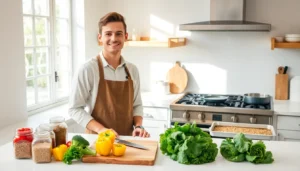

Healthy recipes techniques can transform ordinary meals into nutrient-packed dishes. The way someone cooks food matters just as much as the ingredients they choose. A perfectly ripe vegetable loses half its vitamins when boiled too long. A lean protein becomes a greasy disappointment when fried in excess oil.
Good news: cooking healthier doesn’t require culinary school. It requires understanding a few core methods and making small adjustments. This guide covers the best healthy recipes techniques that preserve nutrients, reduce fat, and keep meals flavorful. Whether someone wants to steam vegetables correctly or grill chicken without drying it out, these approaches work.
Table of Contents
ToggleKey Takeaways
- Healthy recipes techniques like steaming and poaching preserve more vitamins than boiling, which can reduce vitamin C content by up to 50%.
- Roasting and grilling add rich flavor through caramelization without requiring heavy sauces or excess fat.
- Use acids like lemon juice, fresh herbs, and spices to build flavor while reducing sodium and calories.
- Essential tools like steamer baskets, non-stick pans, and instant-read thermometers make healthy cooking faster and more convenient.
- Small adjustments—shorter cooking times, less water, and moderate temperatures—lead to more nutritious and flavorful meals over time.
Why Cooking Techniques Matter for Health
The cooking method directly affects a food’s nutritional value. Heat, water, and time all play a role. Some techniques destroy vitamins while others lock them in. Understanding this connection helps home cooks make smarter decisions.
Vitamin C and B vitamins are water-soluble. They leach into cooking water and break down under high heat. Boiling broccoli for ten minutes can reduce its vitamin C content by up to 50%. Meanwhile, steaming that same broccoli retains most of its nutrients.
Fat absorption also depends on technique. Deep-frying a potato adds roughly 15 grams of fat per serving. Roasting that same potato with a light oil coating adds just 3 grams. The difference accumulates over weeks and months.
Healthy recipes techniques minimize nutrient loss and unnecessary calories. They also enhance natural flavors, which reduces the need for heavy sauces or excessive salt. A properly roasted carrot tastes sweeter than a boiled one because caramelization brings out natural sugars.
The goal isn’t perfection. It’s awareness. Once someone understands how cooking affects food, they naturally make better choices. They pull vegetables off the heat sooner. They reach for the steamer basket instead of the deep pot. Small shifts lead to meaningful results.
Best Cooking Methods to Preserve Nutrients
Some cooking methods protect vitamins and minerals better than others. The best healthy recipes techniques use less water, shorter cooking times, and moderate temperatures.
Steaming and Poaching
Steaming sits at the top of nutrient-preserving methods. Food cooks above the water, not in it. This prevents vitamins from leaching out. Vegetables keep their color, texture, and nutritional profile.
A simple steamer basket works well. Fill a pot with one inch of water, bring it to a boil, and place the basket on top. Cover and cook until vegetables reach desired tenderness. Most vegetables need just 3-7 minutes.
Poaching uses gentle, simmering liquid to cook delicate proteins like fish, chicken, and eggs. The low temperature, around 160-180°F, prevents proteins from toughening. Poached salmon retains more omega-3 fatty acids than fried salmon because it doesn’t require added oil.
Both methods qualify as excellent healthy recipes techniques for anyone watching calories. Neither requires fat for cooking. The natural flavors of quality ingredients shine through.
Roasting and Grilling
Roasting uses dry heat in an enclosed oven. It caramelizes the outside of foods while cooking the inside evenly. Root vegetables, chicken breasts, and fish fillets all respond well to roasting.
Set the oven between 375-425°F for most foods. Toss vegetables with a teaspoon of olive oil and spread them in a single layer. Crowding the pan creates steam instead of crispness. Roasting brings out sweetness in vegetables like Brussels sprouts, sweet potatoes, and beets.
Grilling exposes food to direct, high heat. It creates char marks and smoky flavor without added fat. The fat in meats actually drips away during grilling, reducing overall calorie content.
Both roasting and grilling represent healthy recipes techniques that add flavor through cooking chemistry rather than heavy sauces. The Maillard reaction, the browning process, creates hundreds of flavor compounds. These make food taste richer and more satisfying.
Tips for Reducing Fat and Sodium Without Sacrificing Flavor
Many people assume healthy food tastes bland. That belief comes from poor technique, not from healthy cooking itself. Smart healthy recipes techniques build flavor through other means.
Acid brightens dishes instantly. A squeeze of lemon juice over steamed fish or roasted vegetables makes them taste more vibrant. Vinegars work similarly. Rice vinegar, balsamic, and apple cider vinegar each add distinct character to salads and cooked dishes.
Fresh herbs cost little and deliver big impact. Basil, cilantro, parsley, and dill add freshness without sodium. Dried herbs like oregano, thyme, and rosemary concentrate flavor and last longer in the pantry.
Spices do heavy lifting in healthy recipes techniques. Cumin, paprika, coriander, and turmeric transform plain chicken or vegetables into exciting meals. A quarter teaspoon of smoked paprika adds depth that salt alone cannot provide.
Garlic and onions create a flavor foundation. Sautéing them briefly in a small amount of olive oil builds the base for countless dishes. Caramelized onions taste sweet and rich without any added sugar.
Stock and broth add moisture and flavor when reducing oil. Sauté vegetables in a tablespoon of broth instead of butter. The result tastes just as good with far fewer calories.
Salt isn’t the enemy, excess salt is. Using quality sea salt or kosher salt at the table gives control over sodium intake. Food seasoned lightly during cooking and finished with a pinch at serving often needs less total salt.
Essential Tools for Healthy Cooking
The right equipment makes healthy recipes techniques easier to execute. These tools don’t require a large budget. Most last for years with basic care.
A steamer basket or steamer insert fits inside existing pots. Stainless steel versions cost under $15 and work for vegetables, fish, and dumplings. Bamboo steamers add an attractive serving option for Asian-inspired meals.
Non-stick pans reduce oil needs significantly. Eggs slide out without butter. Vegetables sauté in minimal fat. Look for ceramic or quality non-stick coatings that don’t release harmful chemicals at high temperatures.
A good instant-read thermometer takes guesswork out of cooking proteins. It prevents overcooking, which dries out lean meats like chicken breast and pork tenderloin. Proper temperature also ensures food safety.
Sheet pans with low rims promote roasting. Air circulates around food, creating crispy edges. Two half-sheet pans handle most family meals and allow proper spacing between ingredients.
A sharp chef’s knife encourages home cooking. Dull knives make prep work frustrating. Sharp ones cut vegetables quickly and precisely. More home cooking means fewer restaurant meals and processed foods.
Measuring spoons keep portions honest. It’s easy to pour three tablespoons of olive oil when a recipe calls for one. Measuring takes seconds and prevents calorie creep.
These tools support healthy recipes techniques by making good habits convenient. When steaming vegetables takes five minutes and requires no cleanup, it happens more often.