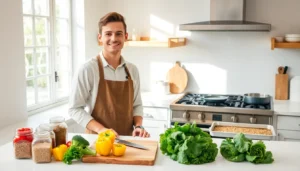

A healthy recipes guide can transform the way people eat, cook, and feel every single day. Eating well doesn’t require culinary expertise or hours in the kitchen. It starts with understanding what makes food nourishing and how to prepare it quickly.
This guide breaks down the essentials of healthy cooking. Readers will find practical breakfast ideas, satisfying lunch and dinner options, and smart tips for meal planning. The goal is simple: make nutritious eating accessible, enjoyable, and sustainable for anyone ready to improve their diet.
Table of Contents
ToggleKey Takeaways
- A healthy recipes guide helps you balance proteins, carbohydrates, and healthy fats in every meal for optimal nutrition.
- Quick breakfasts like overnight oats, veggie scrambled eggs, and smoothie bowls take 15 minutes or less to prepare.
- Grain bowls, lettuce wraps, and sheet pan dinners offer nutritious lunch and dinner options without complicated cooking techniques.
- Meal planning on a weekly basis saves time, reduces food waste, and prevents last-minute unhealthy food choices.
- Prepping ingredients in advance—chopping vegetables and batch-cooking grains—cuts weeknight cooking time significantly.
- Keep backup staples like frozen vegetables, canned beans, and eggs on hand for quick healthy recipes when plans change.
What Makes a Recipe Truly Healthy
A healthy recipe balances macronutrients: proteins, carbohydrates, and fats. Each meal should include all three in appropriate portions. Protein builds and repairs tissue. Carbohydrates provide energy. Healthy fats support brain function and hormone production.
Ingredient quality matters just as much as balance. Whole foods, vegetables, fruits, lean meats, legumes, and whole grains, form the foundation of any healthy recipes guide. These foods contain vitamins, minerals, and fiber that processed alternatives lack.
Portion control plays a critical role too. Even healthy ingredients can lead to weight gain when consumed in excess. A good rule: fill half the plate with vegetables, one quarter with protein, and one quarter with whole grains or starchy vegetables.
Sodium and added sugars deserve attention. Many recipes hide these ingredients in sauces, dressings, and marinades. Reading labels and making sauces from scratch gives cooks full control over what goes into their meals.
Finally, a truly healthy recipe tastes good. People won’t stick with foods they don’t enjoy. The best healthy recipes combine nutrition with flavor through herbs, spices, citrus, and proper cooking techniques.
Quick and Nutritious Breakfast Ideas
Breakfast sets the tone for the entire day. A protein-rich morning meal stabilizes blood sugar and reduces mid-morning cravings. Here are several options that take 15 minutes or less.
Overnight oats require zero morning effort. Combine rolled oats with Greek yogurt, milk, chia seeds, and fruit the night before. By morning, the oats soften into a creamy, filling meal. Add nuts for extra protein and crunch.
Veggie scrambled eggs deliver protein and vegetables in one dish. Sauté spinach, tomatoes, and bell peppers. Add beaten eggs and scramble until cooked through. Season with black pepper and a pinch of salt. Serve with whole-grain toast.
Smoothie bowls work well for those who prefer lighter breakfasts. Blend frozen berries, banana, spinach, and protein powder with a splash of almond milk. Pour into a bowl and top with granola, sliced almonds, and fresh fruit.
Greek yogurt parfaits offer a no-cook option. Layer plain Greek yogurt with berries and a drizzle of honey. Add a tablespoon of ground flaxseed for omega-3 fatty acids.
Each of these healthy recipes takes minimal time but delivers maximum nutrition. Preparing ingredients the night before speeds up busy mornings even more.
Wholesome Lunch and Dinner Options
Lunch and dinner represent opportunities to pack in nutrients without sacrificing taste. This healthy recipes guide includes options for both quick weeknight meals and weekend cooking projects.
Lunch Ideas
Grain bowls offer endless variety. Start with a base of quinoa or brown rice. Add roasted vegetables, chickpeas or grilled chicken, and a tahini or lemon vinaigrette. These bowls travel well for office lunches.
Lettuce wraps replace high-calorie bread with crisp lettuce leaves. Fill butter lettuce cups with seasoned ground turkey, shredded carrots, and a splash of low-sodium soy sauce. Fresh and satisfying.
Vegetable soup made in batches provides lunches for the entire week. Combine tomatoes, zucchini, carrots, celery, and white beans in vegetable broth. Season with Italian herbs. One pot yields six to eight servings.
Dinner Ideas
Sheet pan salmon with vegetables simplifies cleanup. Place salmon fillets on a baking sheet with broccoli, asparagus, and cherry tomatoes. Drizzle with olive oil and lemon. Roast at 400°F for 20 minutes.
Stir-fry dishes cook quickly and use whatever vegetables are on hand. Heat a wok or large skillet. Cook lean protein first, then add vegetables. Finish with garlic, ginger, and a light sauce made from soy sauce and sesame oil.
Stuffed bell peppers make a complete meal. Fill pepper halves with a mixture of lean ground beef, rice, black beans, and diced tomatoes. Bake until the peppers soften and the filling heats through.
These healthy recipes prove that nutritious dinners don’t require complicated techniques or exotic ingredients.
Tips for Meal Planning and Preparation
Meal planning removes the guesswork from healthy eating. It saves time, reduces food waste, and prevents last-minute fast food runs. A solid plan turns good intentions into actual results.
Choose one planning day each week. Sunday works for most people. Review the calendar for busy nights that need quick meals versus evenings with more cooking time. Write a menu that matches reality.
Create a master grocery list. Organize it by store section: produce, proteins, dairy, pantry items. A healthy recipes guide becomes more useful when paired with an organized shopping system. Buy only what the week’s menu requires.
Prep ingredients in advance. Wash and chop vegetables after grocery shopping. Cook grains like rice and quinoa in large batches. Portion proteins into freezer bags. These steps cut weeknight cooking time significantly.
Use containers wisely. Invest in quality glass containers with tight-fitting lids. They keep prepped ingredients fresh and make grabbing lunch easy. Clear containers help cooks see what’s available at a glance.
Build in flexibility. Plans sometimes fall apart. Keep a few backup options ready: frozen vegetables, canned beans, eggs, and whole-grain pasta. These staples combine into quick healthy recipes when the original plan doesn’t work out.
Track what works. Note which meals the family enjoyed and which flopped. Over time, this feedback creates a personal collection of go-to recipes. Planning becomes faster when there’s a proven rotation to draw from.