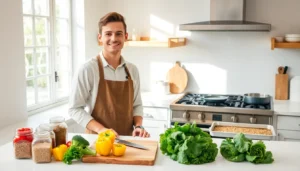

Healthy recipes tools make clean eating easier and more efficient. The right kitchen equipment transforms cooking from a chore into a streamlined process. Home cooks who invest in quality tools spend less time preparing meals and more time enjoying them.
A well-stocked kitchen includes gadgets for chopping, blending, measuring, and storing food. Digital apps add another layer of convenience by organizing recipes and tracking nutrition. This guide covers the essential healthy recipes tools every kitchen needs, from basic gadgets to smart technology solutions.
Table of Contents
ToggleKey Takeaways
- Healthy recipes tools like high-speed blenders, air fryers, and food processors save time and make nutritious cooking more accessible.
- Glass meal prep containers and digital food scales help maintain portion control and consistency throughout the week.
- Digital apps such as Mealime and MyFitnessPal organize recipes, generate shopping lists, and track nutritional goals in one place.
- Choose healthy recipes tools based on your cooking frequency, dietary focus, and available kitchen space to maximize value.
- Start with essential kitchen gadgets and prioritize dishwasher-safe, multi-functional tools that you’ll actually use daily.
- Vacuum sealers and proper storage solutions reduce food waste and extend the freshness of batch-cooked meals.
Must-Have Kitchen Gadgets for Healthy Cooking
Quality kitchen gadgets form the foundation of healthy cooking. These healthy recipes tools save time and encourage better food choices.
High-Speed Blender
A high-speed blender handles smoothies, soups, and sauces with ease. Models like Vitamix or Ninja blend frozen fruit, leafy greens, and nuts into smooth textures. This tool makes nutrient-dense meals accessible in minutes.
Food Processor
Food processors chop vegetables, make hummus, and create healthy dips quickly. They reduce prep time significantly. A 10-cup capacity works well for most households.
Air Fryer
Air fryers cook food with minimal oil while maintaining a crispy texture. They’re perfect for sweet potato fries, chicken breast, and roasted vegetables. Most models use 70-80% less oil than traditional frying methods.
Spiralizer
Spiralized vegetables replace pasta for lower-carb meals. Zucchini noodles, carrot ribbons, and beet spirals add variety to dishes. Hand-held spiralizers cost under $20 and store easily.
Steamer Basket
Steaming preserves nutrients better than boiling. A simple steamer basket fits inside most pots. Stainless steel versions last for years and clean easily.
Quality Knives
Sharp knives make vegetable prep faster and safer. A chef’s knife, paring knife, and serrated knife cover most tasks. Good knives encourage home cooking because they reduce frustration during prep work.
Tools for Meal Prep and Portion Control
Meal prep tools keep healthy eating consistent throughout the week. These healthy recipes tools help with planning, portioning, and storage.
Glass Meal Prep Containers
Glass containers store prepped ingredients and complete meals safely. They don’t absorb odors or stains like plastic. Most are microwave, dishwasher, and freezer safe. A set of 10-15 containers in various sizes handles weekly meal prep.
Digital Food Scale
A digital food scale ensures accurate portions. This matters for calorie counting and recipe consistency. Look for scales that measure in grams and ounces with at least a 10-pound capacity.
Measuring Cups and Spoons
Stainless steel measuring tools provide accurate measurements for healthy recipes. Magnetic sets stay organized in drawers. Odd sizes like 2/3 cup and 1.5 tablespoon prove useful for scaling recipes.
Portion Control Plates
Divided plates show proper serving sizes visually. They help with balanced meals without measuring every item. Some designs include sections for proteins, grains, and vegetables.
Mason Jars
Mason jars work for overnight oats, salads, and smoothie prep. The layering method keeps ingredients fresh until eating time. Wide-mouth jars make filling and cleaning easier.
Vacuum Sealer
Vacuum sealers extend food freshness by removing air from storage bags. Batch-cooked proteins and prepped vegetables last longer. This reduces food waste and saves money over time.
Digital Tools and Apps for Healthy Recipe Planning
Digital healthy recipes tools organize meal planning and track nutritional information. These apps and platforms simplify the process of eating well.
Recipe Management Apps
Apps like Paprika, Mealime, and Plan to Eat store recipes in one location. They import recipes from websites, generate shopping lists, and schedule meals. Most sync across devices for access anywhere.
Nutrition Tracking Apps
MyFitnessPal, Cronometer, and Lose It track calories and macronutrients. They contain large food databases for quick logging. Some integrate with fitness trackers for complete health monitoring.
Smart Kitchen Scales
Wi-Fi connected scales send nutritional data directly to apps. They calculate calories as food is weighed. Some models recognize common foods automatically.
Grocery Delivery Apps
Instacart, Amazon Fresh, and Walmart+ deliver groceries to your door. This reduces impulse purchases at the store. Many apps save shopping lists for quick reordering.
Recipe Discovery Platforms
Platforms like Pinterest, Yummly, and Allrecipes filter recipes by dietary preferences. Users search by ingredient, cooking time, or nutritional goals. Saved recipes build a personal healthy recipe collection.
Meal Planning Subscriptions
Services like Eat This Much and PlateJoy create custom meal plans. They consider dietary restrictions, calorie goals, and food preferences. Weekly plans include recipes and complete shopping lists.
How To Choose the Right Tools for Your Cooking Style
Selecting healthy recipes tools depends on individual habits and goals. Consider these factors before purchasing kitchen equipment.
Assess Your Cooking Frequency
Daily cooks benefit from durable, high-quality tools. Occasional cooks might prefer multi-purpose gadgets that save storage space. Match tool quality to usage frequency.
Consider Your Dietary Focus
Plant-based eaters need strong blenders and food processors for nut butters and veggie prep. Protein-focused diets benefit from air fryers and grill pans. Keto followers use spiralizers and food scales frequently.
Evaluate Kitchen Space
Small kitchens require compact, multi-functional tools. An Instant Pot replaces a slow cooker, pressure cooker, and rice maker. Collapsible tools and nesting containers maximize cabinet space.
Set a Budget
Start with essential healthy recipes tools and add specialized gadgets over time. Quality basics last longer than cheap alternatives. Invest most in items used daily.
Read Reviews and Compare
User reviews reveal real-world performance and durability. Compare features across price points. Sometimes mid-range options outperform expensive models.
Think About Cleaning
Dishwasher-safe parts save time. Complicated designs with many pieces discourage regular use. Simple tools get used more often than complex gadgets sitting in cabinets.